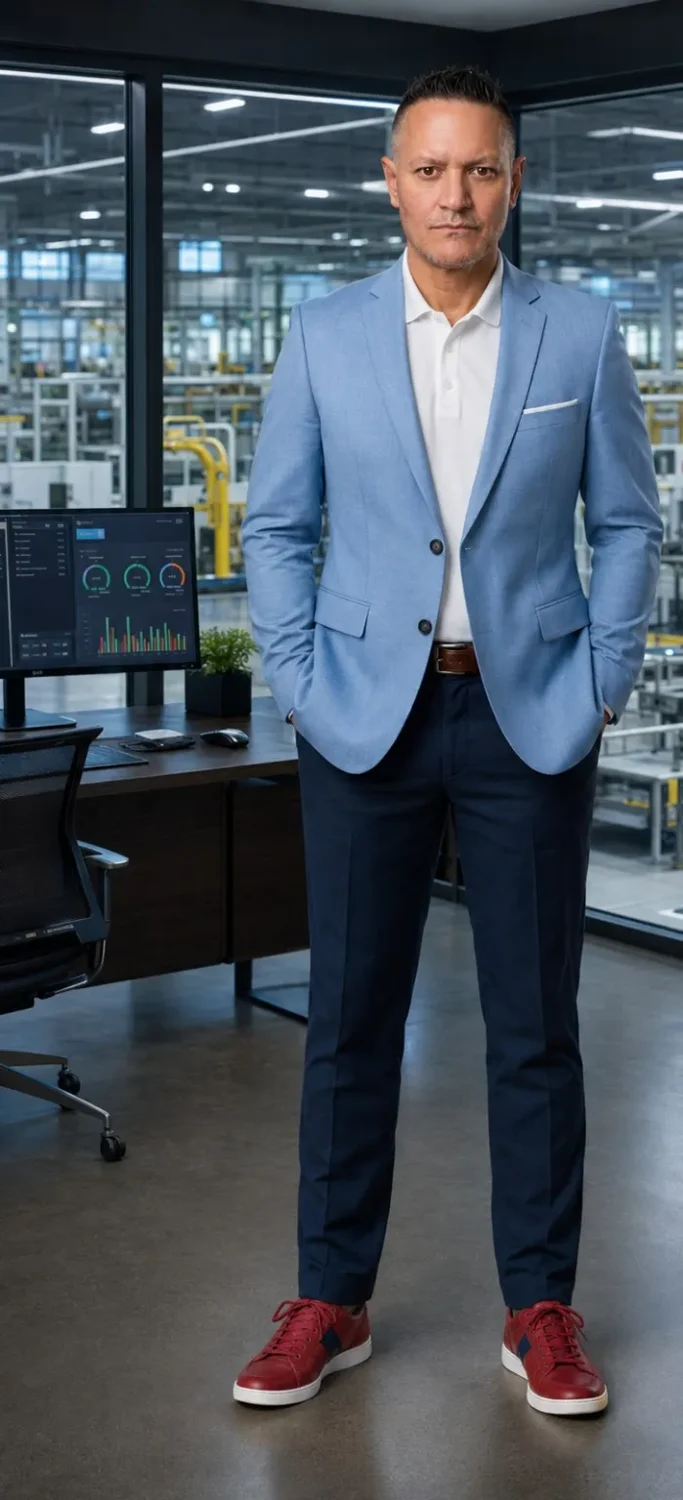
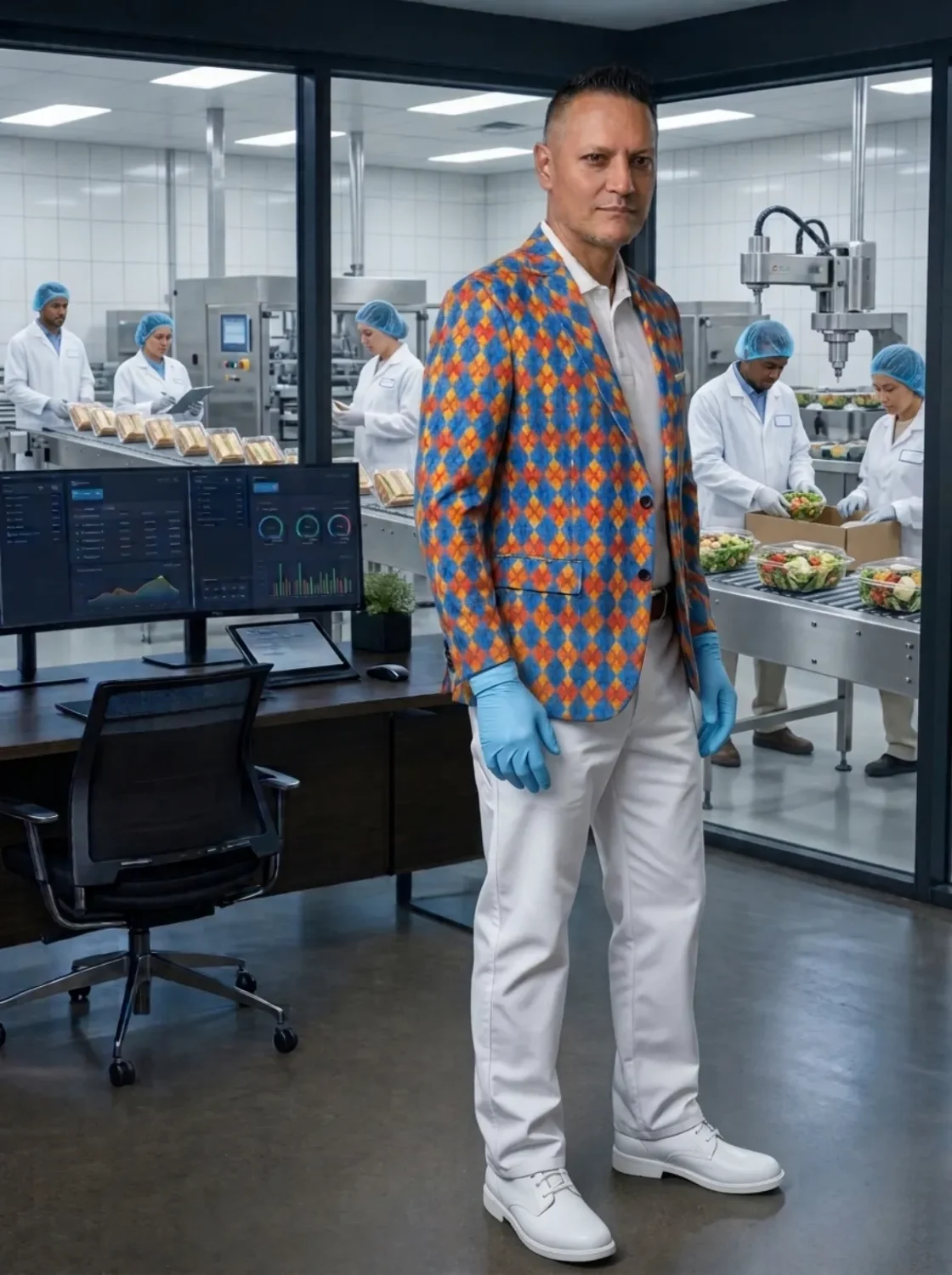
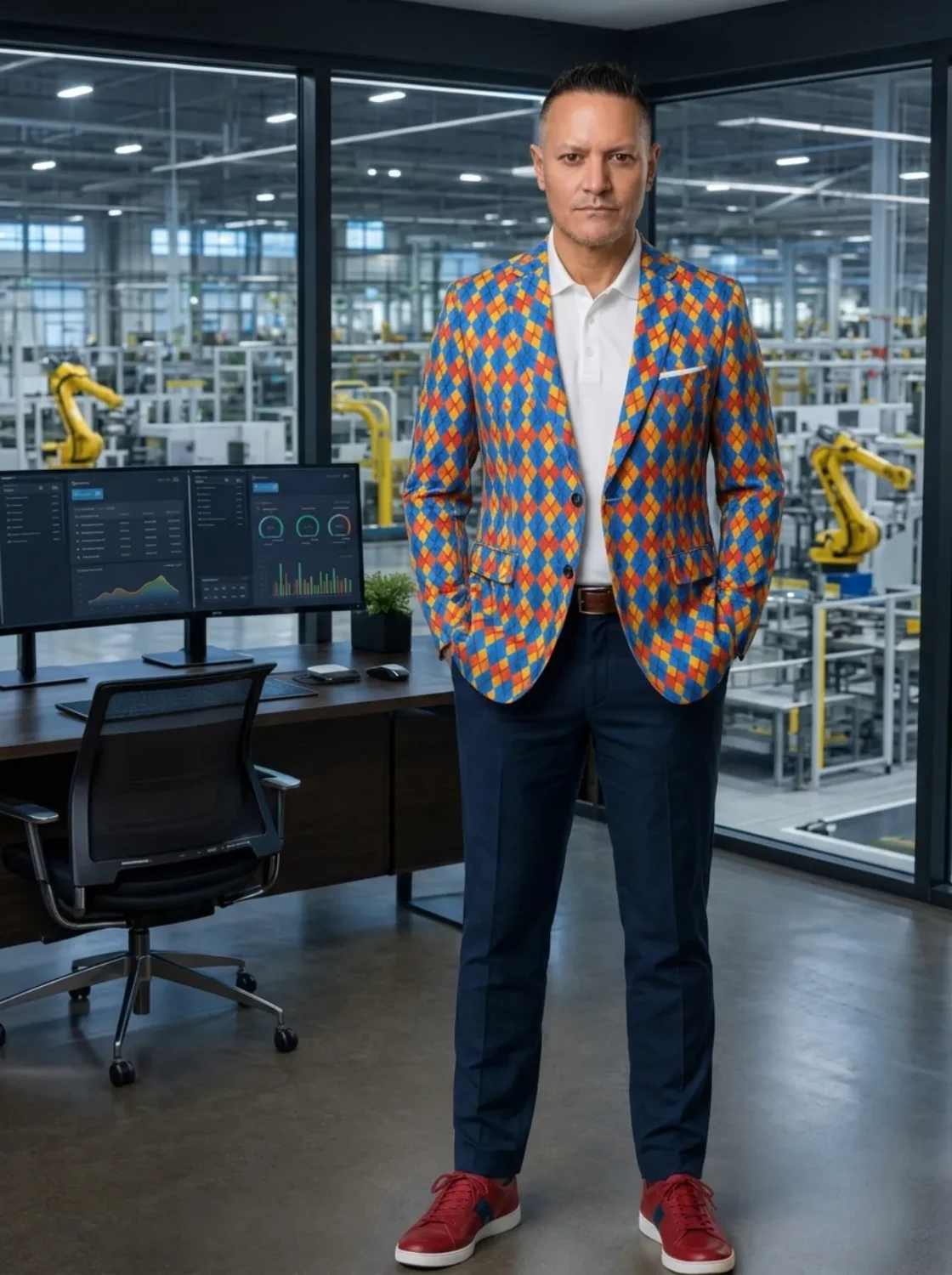
Built from experience. Designed for the working day.
I didn't learn construction and manufacturing from a spreadsheet. I learned them where the work happens.
On shop floors. In oil fields. At drafting tables. On active construction sites.
When I stepped out of college, I had no clear picture of where my career would take me. I started as a CNC setup technician. I moved into drafting, then into field operations, eventually leading crews as a foreman in the oil fields.
Over the years, my work took me through architecture, construction, and manufacturing. I worked on designs for high-rises, hotels, commercial plazas, theatres, and government institutions. I was also involved in establishing two factories from the ground up: a brick manufacturing plant and an architectural products manufacturing facility.
Each role taught me something different. But the most important lessons were not always technical. They came from watching people work.
01 · Different places. Familiar problems.
Global Operations. The Same Bottleneck.
The equipment changed. The people changed. But the same challenges kept appearing.
Throughout my career, I worked alongside German, Italian, American, and Canadian engineers, technicians, and clients.
Different languages. Different technologies. Different expectations.
Yet I kept seeing the same bottleneck. Highly skilled people were spending valuable time documenting work they had already completed, repeating information, explaining delays, and trying to communicate what was happening on the ground.
Supervisors needed to keep operations moving while producing reports. Managers needed reliable information without constantly interrupting their teams. Executives needed to understand progress without being physically present at every location.
Everyone needed information. But collecting and communicating that information often became another job in itself.
02 · The gap between doing and reporting
Both Sides of the Drawing
I have worked on both sides of the drawing.
I know what it means to prepare a design in an office and what it means to make that design work in the field. I know the pressure of managing people, equipment, schedules, unexpected delays, and safety responsibilities. And I know how easily an ordinary working day can become crowded with paperwork, repeated updates, and meetings.
Documentation matters. Safety reporting matters. Accountability matters. The problem isn't that organizations ask for information. The problem begins when the process of collecting information takes too much attention away from the work itself.
A supervisor should not have to become a full-time data-entry clerk. A manager should not have to chase five people to understand one operational issue. And an important meeting should not create another evening of administrative work.
I began asking a simple question: Could we make the process easier without losing the information that matters?
Interactive field notes
Anatomy of a Working Day: Where does time go?
Challenge / 01
Reporting becomes another shift.
Repeated descriptions of completed work can take attention away from the crew. Structured reporting is intended to reduce that repetition.
03 · From observation to engineering
The SyncraLux Ecosystem
That question became the foundation of SyncraLux.
I did not want another complicated system that asked field teams to change the way they work simply to satisfy software. I wanted technology that could adapt to the language, pace, and realities of their working environment.
Something practical enough for a supervisor to use during a demanding shift, yet structured enough to give management meaningful information.
The result is a growing ecosystem of tools built around two connected challenges: operational visibility and workplace communication.
● LIVE
SyncraLux EDR
Efficiency Daily Report
Less time reporting. More clarity about the work.
SyncraLux EDR simplifies daily operational reporting through preloaded field terminology and trade-specific reporting dictionaries. Instead of writing repetitive paragraphs, supervisors can select structured descriptions that reflect the work being performed.
The application brings together daily activity reporting, project progression, safety-related observations, and management oversight within a role-based environment.
Supervisors can communicate field activity more consistently. Managers can review information across their assigned operations. Executives can gain a broader view of reported progress and operational concerns.
The objective is not to collect more data. It is to make the information already being collected more useful.
IN DEVELOPMENT
SyncraComm
Communication and Meeting Documentation
Good conversations deserve better follow-through.
Some of the most important decisions happen during conversations: at a job site, in a meeting room, during a consultation, or between people who do not share the same first language.
Yet those conversations often leave behind fragmented notes, missing context, and hours of follow-up documentation.
SyncraComm is being developed to bring live communication, multilingual support, transcription, and structured meeting documentation into one coordinated experience.
Our planned model supports a meeting host and invited guests, with clear distinctions between participation, recording, transcription, and document creation.
The goal is straightforward: help people remain engaged in the conversation while making it easier to preserve and organize what matters afterward.
SyncraComm is currently in active development. We are refining its host and guest workflows as part of the path toward a future public release.
Interactive field notes
One event. Three perspectives.
Explore how the same operational issue affects different levels of an organization.
Perspective / 01
The supervisor sees the issue
A recurring equipment delay is affecting the shift. The supervisor needs to communicate what happened without interrupting the crew or writing another lengthy report.
Document the issue. Keep the work moving.
Conceptual illustration of the operational challenges EDR is designed to address; not a live dashboard or customer record.
Engineering philosophy
Beneath the Surface
Every feature should have a reason to exist.
Industry-specific intelligence
Preloaded trade-specific terminology and structured descriptions are intended to reduce repetitive manual input. The full proprietary dictionary is not published here.
Operational hierarchy
EDR is organized around Supervisor, Manager, Executive and Administrator responsibilities. Each role has a different operational purpose.
Purposeful data lifecycle
EDR is designed around a defined 24-hour operational reporting cycle. This is not a promise that all customer data is deleted after 24 hours; account information, persistent records and reporting data must be distinguished.
Independent application architecture
EDR focuses on operational reporting. SyncraComm is being developed separately for communication and meeting documentation. A shared corporate access gateway is planned.
04 · Beyond software
Understanding the Working Day
Sometimes the problem isn't the software. Sometimes it's the way the work moves.
Not every efficiency problem can be solved with an application. A reporting delay might begin with unclear responsibilities. A recurring production interruption might come from the way information passes between departments. An unnecessary meeting might exist because nobody has a reliable view of the work.
This is why SyncraLux also approaches efficiency through direct workplace observation.
Our hands-on efficiency assessment service is intended to examine how work actually happens: how teams communicate, where time is lost, where tasks are repeated, and which practical changes may improve daily operations.
This is not an ISO certification service or a substitute for formal compliance, engineering, or safety audits.
It is a practical, operations-focused assessment grounded in firsthand field experience. We believe meaningful improvement begins by understanding the people, the processes, and the conditions in which the work takes place.
From observation to improvement
Approach / 01
Understand how work happens.
Observe the actual workflow, communication handoffs and daily responsibilities in context.
05 · The Decision Gate
Technology should understand the workplace. Not the other way around.
SyncraLux began with years of practical experience and a recurring observation: people who are already working hard deserve better ways to communicate, document, and understand their work.
Our ambition is to build tools and services that respect the realities of daily operations—from the shop floor to the executive office.
Different approaches. One guiding principle.
Make the working day clearer, simpler, and more productive.
 SyncraLux